Put behavior in context
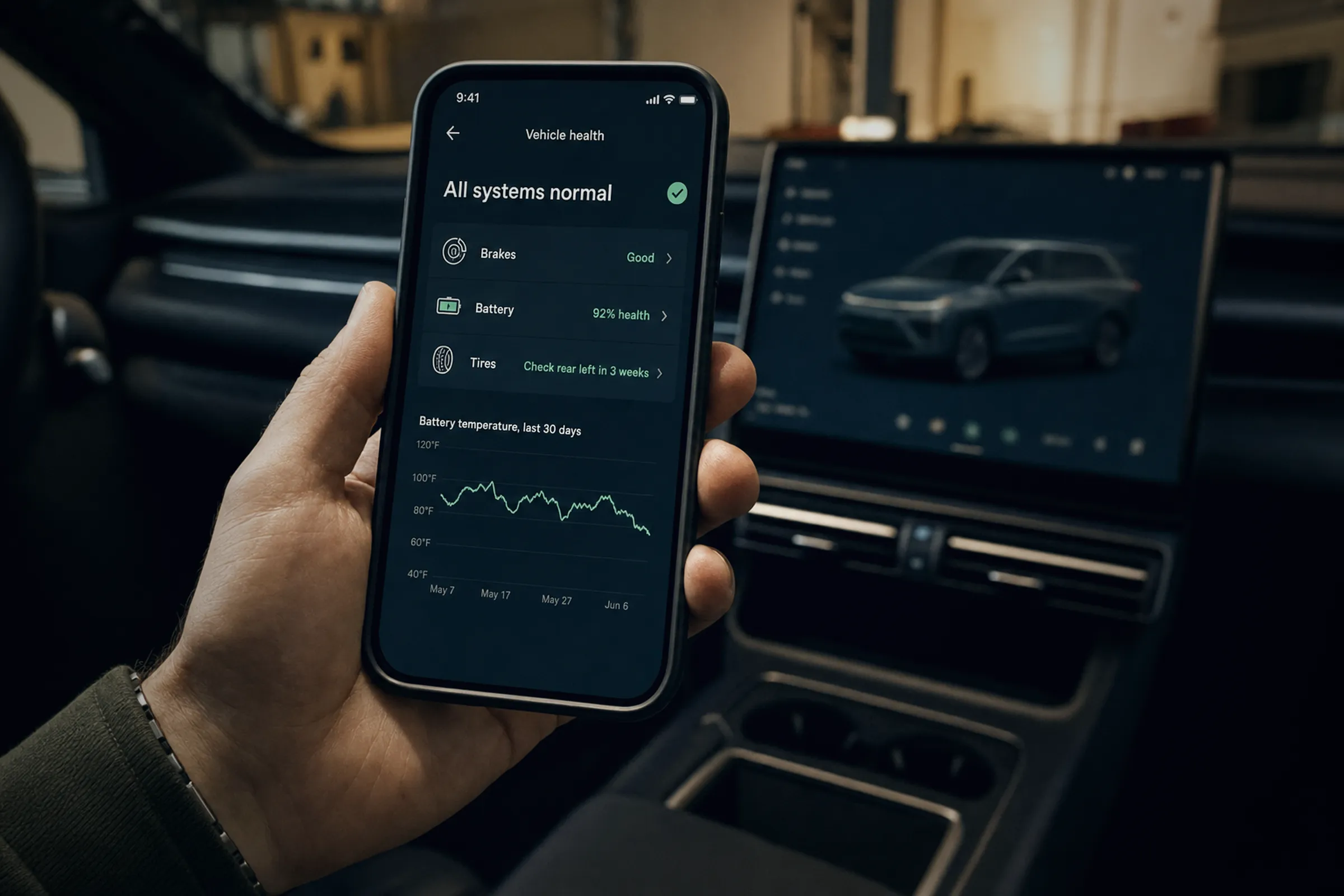
Bring related signals together to understand how a vehicle behaves under real operating conditions.
Automotive & robotics Platform operational, onboarding now
TelemetryLab turns operating data from connected vehicles and robotic fleets into diagnostic, prognostic, and operational intelligence. Monitor behavior remotely, investigate emerging issues, and bring the evidence into one connected workflow.
The problem
Telemetry / IntelligenceEngineering teams need to understand what changed, which units are affected, and what to check next. That takes a connected view of vehicle behavior, operating conditions, and service history.
Bring related signals together to understand how a vehicle behaves under real operating conditions.
Connect events and operating history to the investigation, so teams can review likely causes and the evidence behind them.
Identify the vehicles and components that need attention, and give engineering and service teams a useful starting point.
The approach
Bring collection, detection, diagnostics, prognostics, and action into one connected view. Follow an emerging issue from its first signs through investigation, inspection, and follow-up.
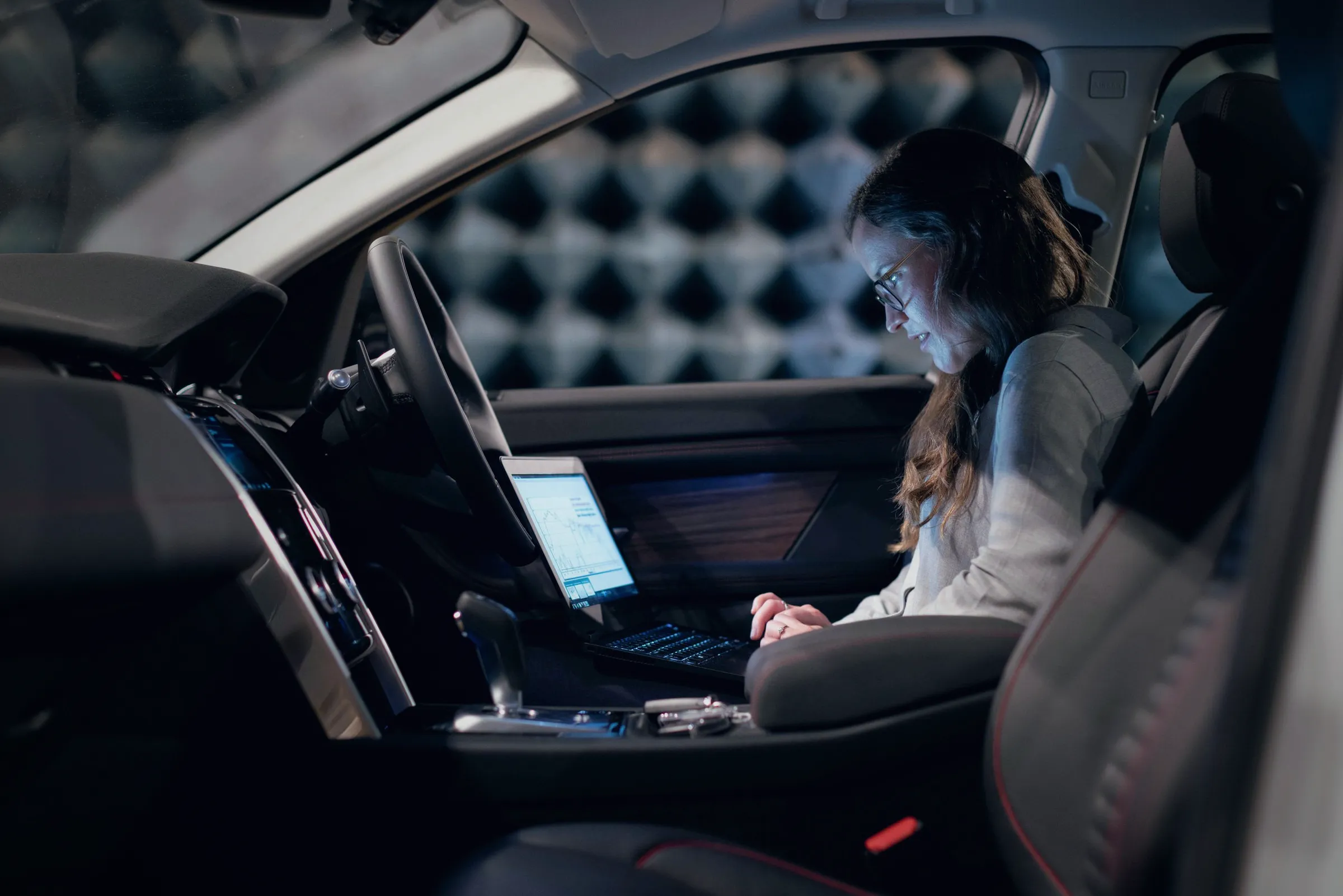
Capture the meaningful fraction of the signal
Selective, event-based collection at the edge. On supported edge devices, collection widens when an investigation needs another signal, then scopes back down, with no firmware release.
Identify abnormal behavior across signals
Established machine-learning and statistical models learn how each vehicle normally behaves and flag the deviations that matter across related signals.
Assemble evidence, investigate likely causes
Related signals, events and service history come together in one investigation, with the likely causes and the evidence behind each.
Assess developing component risk
Risk models learn from each component’s history. A forecast reaches your team only when a validated model and enough evidence stand behind it.
Guide inspection and follow-up
Findings reach the teams that act on them: what to inspect, which units are affected, and whether the fix worked.
Business outcomes
Safety / Warranty / Recalls / Suppliers / Service / Owners / Data trustEach module gives safety, quality, service and engineering teams a clearer basis for action, built on the data your vehicles already produce.
See the safety signal before it becomes an incident.
Examine abnormal braking, steering, thermal, electrical and driver-assist behavior in context, and give safety engineers the timeline of what happened and what is still developing.
Catch the failure pattern while it is still a handful of vehicles.
Connect recurring component behavior with service and claim history, so quality and warranty teams see an emerging pattern before it becomes a claims curve.
A cooling pump that is wearing out can put a whole battery pack at risk. Find the small fault early, and the repair stays small.
Put evidence behind every recall-scope decision.
Understand whether an emerging issue is isolated or shared across a vehicle group, and build the evidence for deciding which units need a closer look. Recall and repair decisions stay with the responsible teams.
Trace a failure to the part, the batch and the supplier.
Bring the available build, component and supplier records into the same investigation as the operating data, so a recovery discussion starts from evidence, not opinion.
Give technicians an evidence-backed starting point.
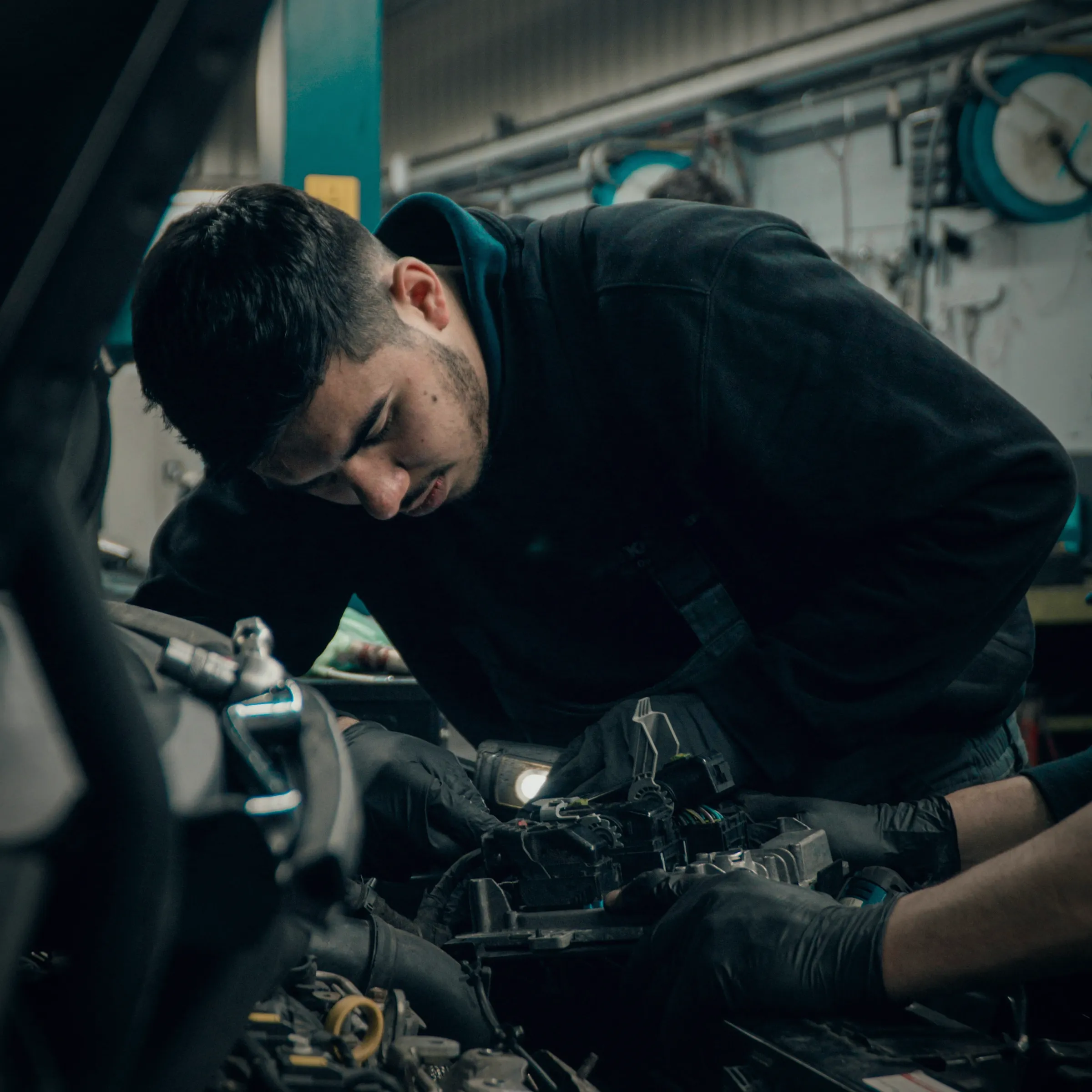
Bring operating history, fault context and related events together before the vehicle reaches the workshop, so the first visit can be the right one and vehicles stay in service.
Give drivers the health report their car never had.
The intelligence that informs engineering can also feed the maker’s own app, so an owner can see how the vehicle is doing and what will need attention, long before a warning light.
Know what each finding rests on.
Every finding is tied to the measurements behind it: which vehicle, which signals, when, and what was not available. Teams can judge the evidence before they act on it.
Coverage is established against the signals, history, and records available for your fleet.
TelemetryLab research
All research
A field catalog of the safety signals a vehicle already broadcasts on its data bus: what each detects, how early, and the cost of leaving them unread.
Read the paper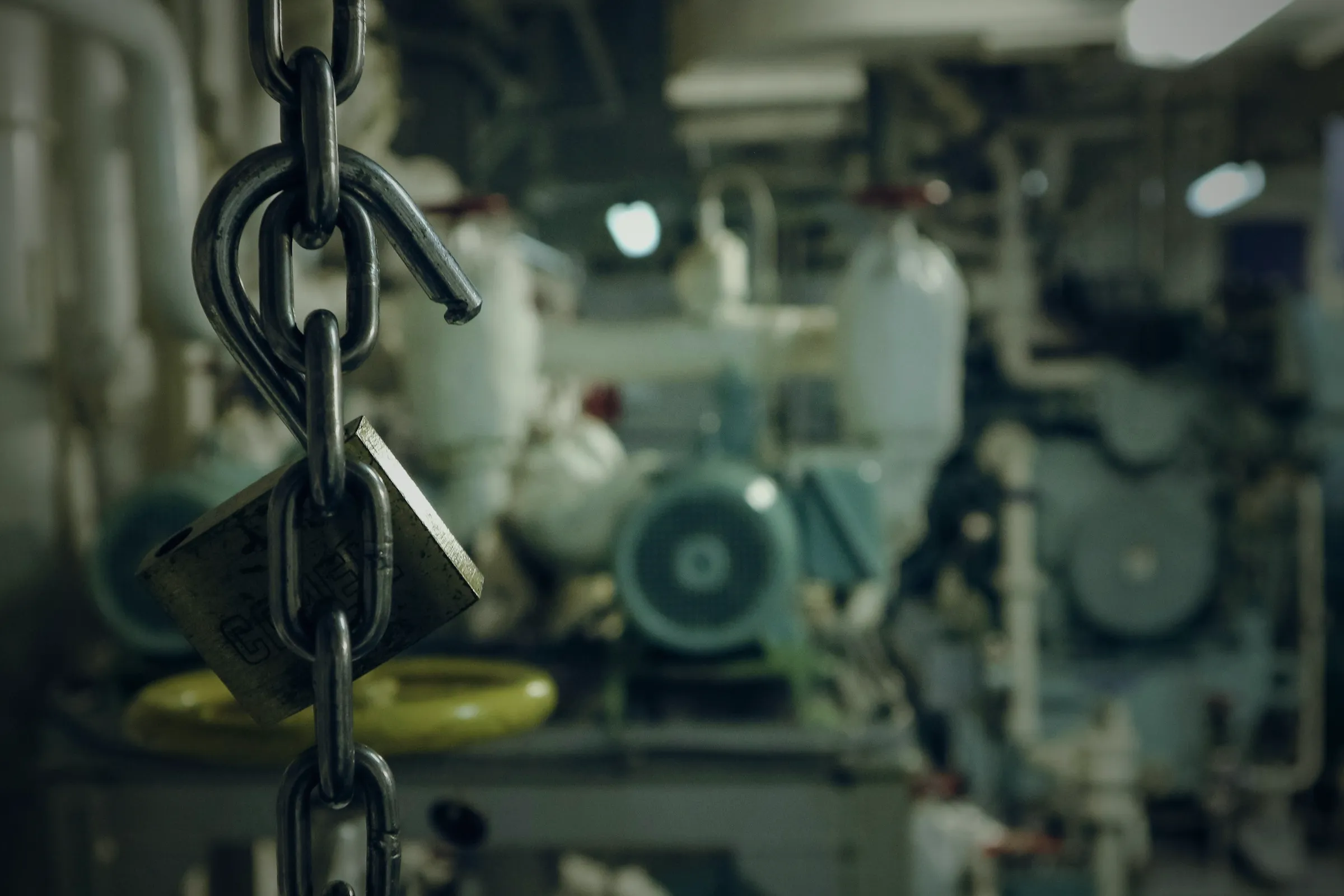
A deep-sea vessel's engine broadcasts its operating state in plain readable values, and the data still stays locked. Where the lock actually sits, three tiers of lawful access, and what extraction yields.
Read the paper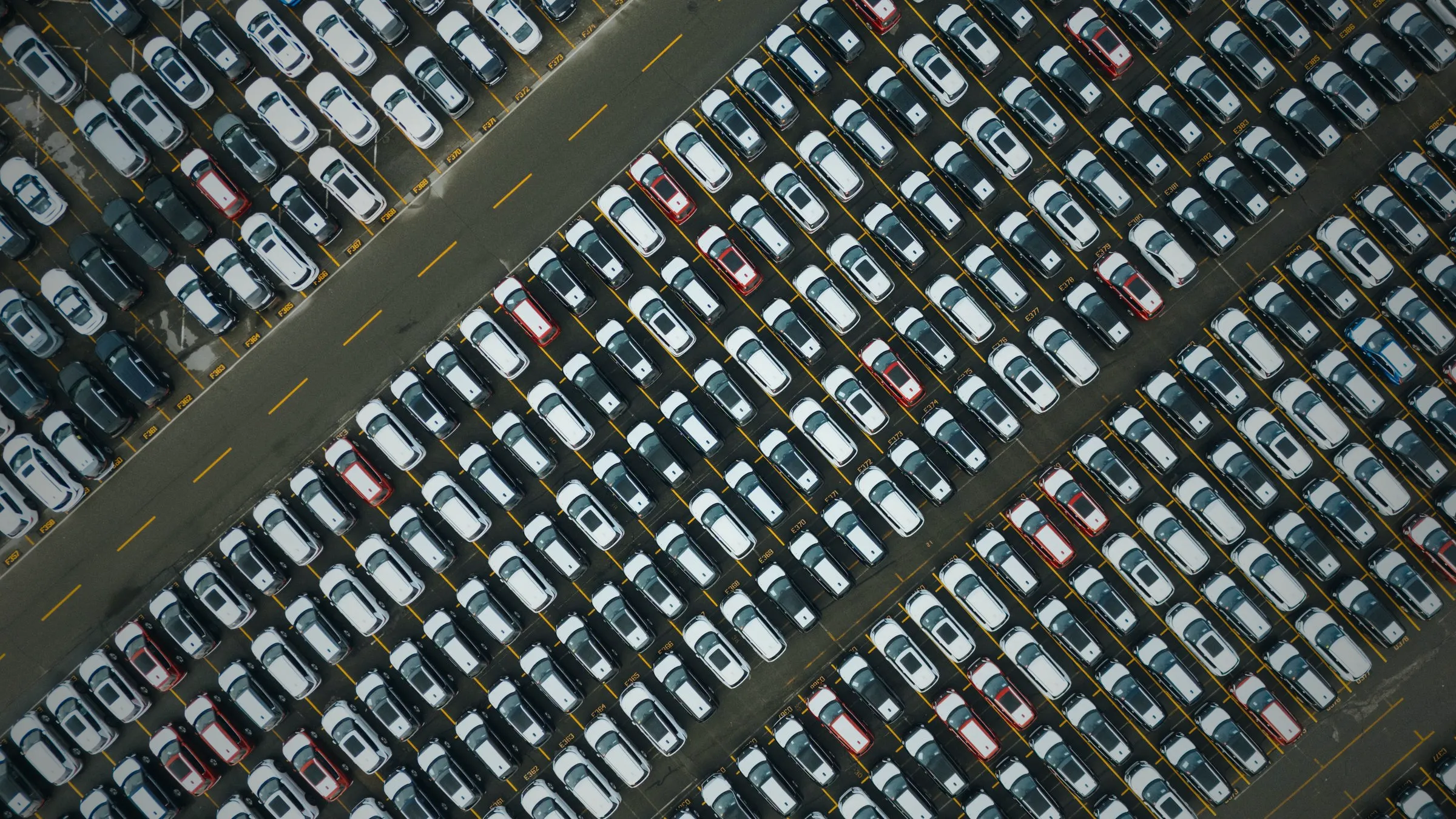
A data analysis of the U.S. recall record: how wide the recall-to-repair gap is, how much of it vehicle signal can reach, and what closing it is worth.
Read the paperGet in touch
The platform is operational, and we are onboarding our first production customer. You work directly with the engineers who built it. If your fleet produces more signal than your teams can act on, let's talk.
Your data stays in your own dedicated environment. Our software and models run there to produce the findings, and we do not move your data out of it.
hello@telemetrylab.ai